
Does Keto Actually Work
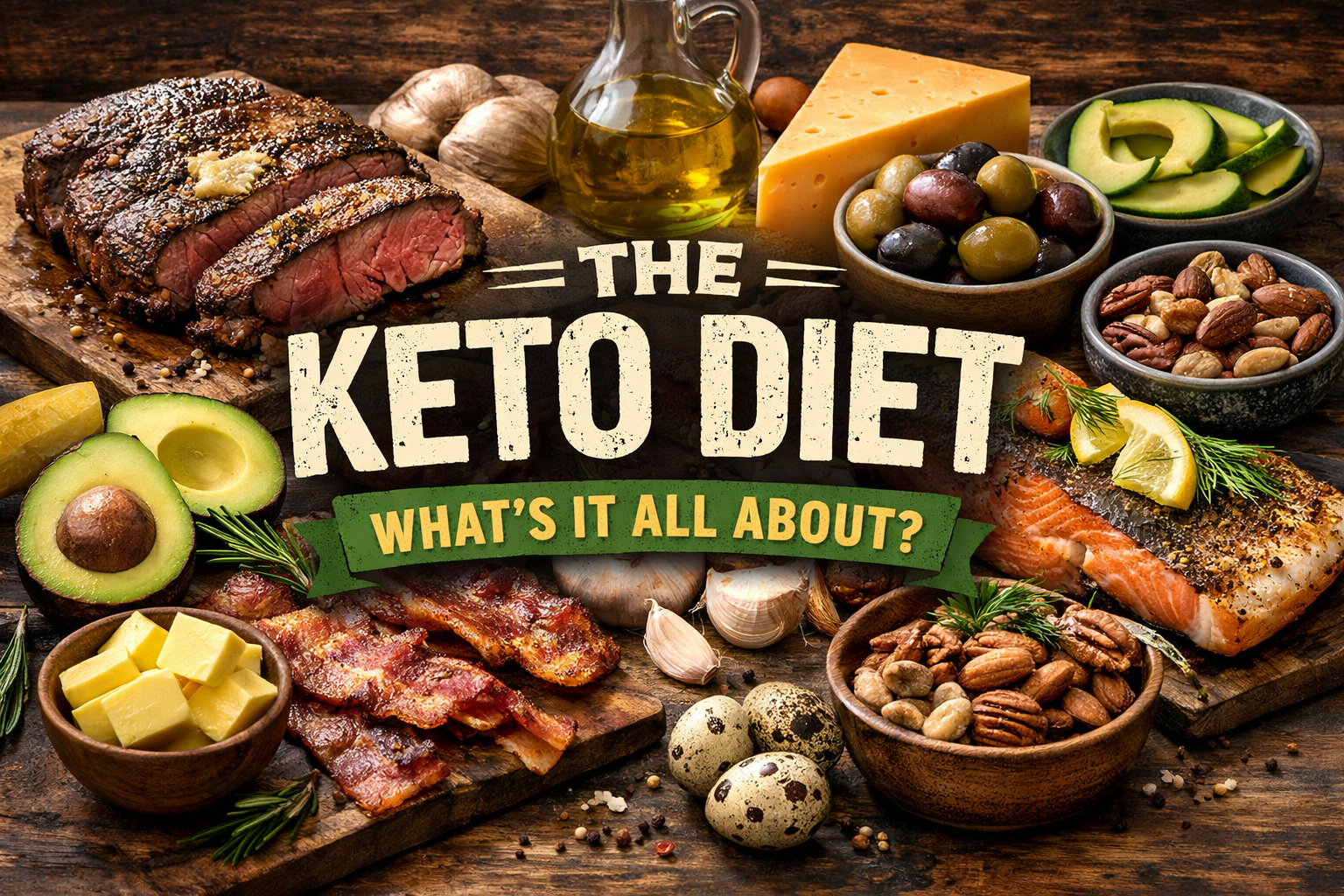
At its core, the keto diet is about forcing your body to stop burning carbohydrates for fuel and start burning fat instead.
Simple, right? Well… yes and no. And that no is doing a lot of heavy lifting. Most of us have been carb burners our entire lives—especially if you grew up in a household where meat and potatoes weren’t a suggestion, they were a lifestyle. Asking your body (and your brain) to suddenly give up bread, pasta, and comfort food is a little like telling a line cook they can’t use salt anymore. Technically possible. Emotionally devastating. Because keto isn’t just about flipping a metabolic switch. It’s about rewiring how you feel about food. And those cravings? They don’t go quietly. Now, if you like the idea of forgetting carb counting apps, ignoring portion control, and focusing on eliminating unhealthy carbs altogether, keto might be your jam. And yes—before you ask—you can pan-sear a steak in brown butter. That part is delightful. But there are some trade-offs.
A Quick Disclaimer From the Chef’s Corner
I’m not a nutritionist. But I am an accomplished chef who can read, research, and operate both a keyboard and a mouse. After doing a fair amount of homework (and some firsthand testing), I’m confident the information here is solid—and more importantly, practical. The ketogenic diet actually dates back to the 1920s, when it was used to help children with epilepsy. Fast forward a few decades and it reappears every so often wearing a different outfit. The most famous rebrand? The Atkins Diet in the 1960s. At least now we call it what it is. Mostly. “Keto Diet” is just easier to say than “Ketogenic Diet.” Humans love shortcuts. Exhibit A: literally everything.
The big difference between Atkins and Keto is commitment. Atkins eventually lets you add carbs back in. Keto does not. Keto isn’t really a diet—it’s a metabolic state. Once you’re in ketosis, your body is running on fat instead of glucose.
The Breakdown (Without the Lab Coat)
Keto is high fat, moderate protein, and extremely low carb. Carbs are the villain of this story. When you restrict them, your body runs out of glucose, releases fatty acids, and your liver turns those into ketones. Those ketones become your new fuel source. Congratulations—you’re now burning fat instead of sugar. That’s why people lose weight, And why blood sugar spikes tend to calm down. Simple mechanics, big results. I’m not going to drown you in medical jargon here. If you want the deep dive, the links are there. That’s exactly how I learned—by digging in.
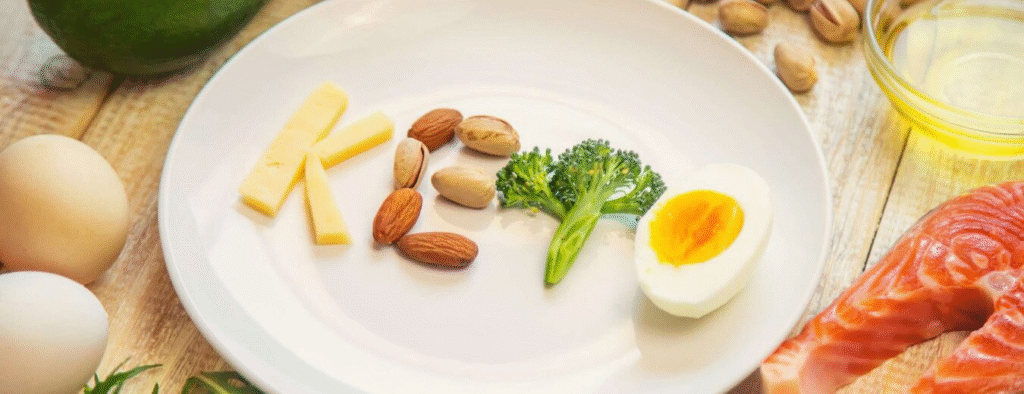
The Not-So-Fun Part
I’m a glass-half-empty kind of guy, so naturally I’ll start with the negatives. You’ve probably heard of the “Keto Flu.” Not a medical term—just what people call the side effects when their body realizes carbs are gone and panics a little Think caffeine withdrawal, but with bacon. Symptoms can include:
- Headaches
- Fatigue
- Irritability
- Muscle cramps
- Brain fog
- Sugar cravings
- Digestive chaos (use your imagination)
Personally? I had headaches and felt wiped out for a couple days. Then it passed. Most people don’t experience everything on the list, and for many, it’s short-lived. The real problem though—the one nobody likes to talk about—is this: What happens when you stop eating keto? Here’s the honest answer: if you go right back to eating the way you used to, you’ll gain the weight back. Often plus a little bonus weight for good measure. That’s not keto’s fault. That’s a transition problem. “Diet” as a noun just means what you eat. “Dieting” as a verb means restriction. Neither word implies a lifestyle change—and that’s where people get burned. If you don’t understand how to eat after the weight comes off, the weight will come back. Period. That’s why most professionals now push Paleo or clean eating as a long-term solution. It’s about balance—mind, body, and yes, enjoyment. Food still needs to taste good. Back in 1826, French food philosopher Anthelme Brillat-Savarin said, “Tell me what you eat, and I will tell you what you are.”
We shortened it to “You are what you eat.” Easier to remember—but the meaning gets lost in the sauce. And yes, that was intentional.
The Good Stuff (Because There Is Plenty)
Let’s not pretend keto doesn’t work. The benefits are real:
- Effective weight loss
- Reduced acne
- Potential cancer risk reduction
- Improved brain function
- Seizure reduction
- Improved outcomes for women with PCOS
But let’s be honest—it’s mostly about weight loss. Since working with the nutritionist at Faithfully Guided Health Center, my interest in Paleo, Whole30, and Keto has grown a lot. At first, I thought keto was the answer. Now I see it as a starting point, not the finish line. Keto works. No argument there. But long-term health requires a shift in how we look at food—not better or worse, just different.
Where My Kitchen Comes In
That’s why I built multiple categories into my Heat & Serve Meals:
Because everyone starts in a different place. If you want fast weight loss, start with keto. Once the weight comes off, move into the category that fits your life. Personally, I lean towards Paleo—I like lean proteins, vegetables, and sanity. If gut health is your issue, Whole30 is the smartest place to begin. It’s strict, but it works—and it tells you exactly what foods don’t love you back. A shocking number of health issues start in the gut. Which means they start on your plate. And that’s exactly why you’ll find so many meal options on thefierychef.com—because food should support your goals and taste like something you actually want to eat.
